

It’s a fresh autumn morning, with a chance of drizzle. Grabbing my umbrella just in case, I head out for a much needed nature adventure. A short Tube ride later, I’m on the platform at Farringdon, ready for a quick Thameslink train ride out of London. Why the train? Simple: I can read, watch the world go by, maybe spot some wildlife (a favourite game), and avoid car parking and traffic stress. Plus, it’s better for the planet.
My destination? St Albans, that leafy Hertfordshire gem where ancient history, fabulous food, and wonderful wildlife meet under the watchful gaze of some very famous peregrine falcons. But we’ll get to them later.
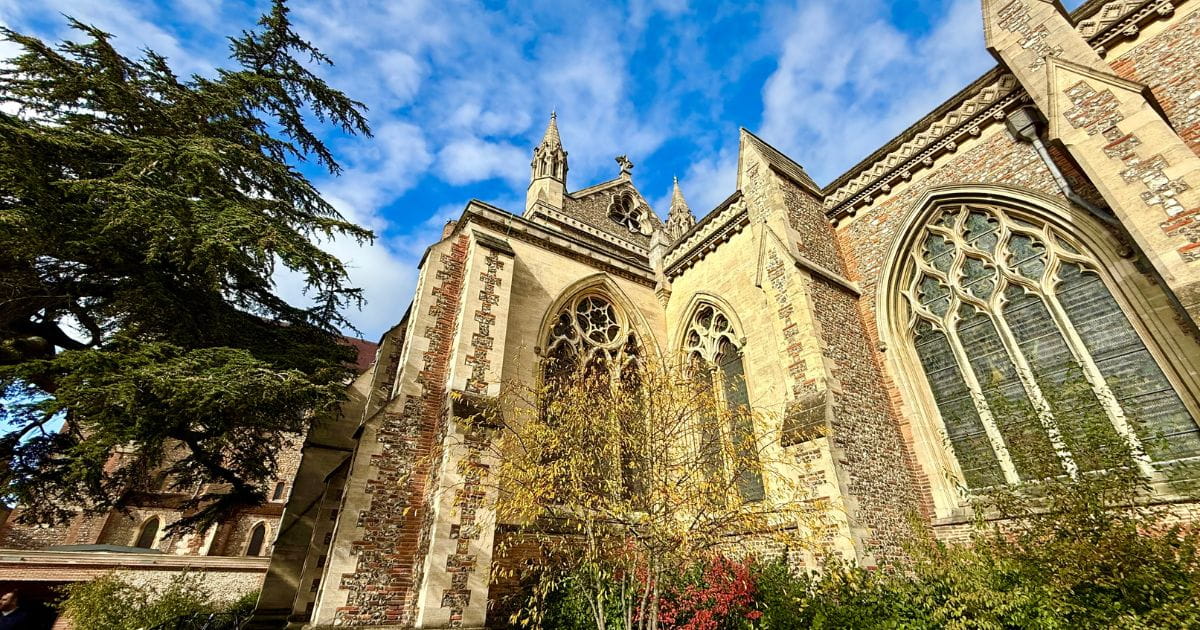
Coffee and cake: the essential start
In under half an hour I’ve left London’s bustle behind, spotted soaring buzzards and red kites, and even a family of roe deer out the window. By the time the train glides into St Albans City, I’m already feeling zen. The city immediately gives off a relaxed, village-y vibe, and my shoulders drop a few inches. Golden ginkgo trees scatter their distinctive fan-shaped leaves across the pavements. Autumn at its finest.
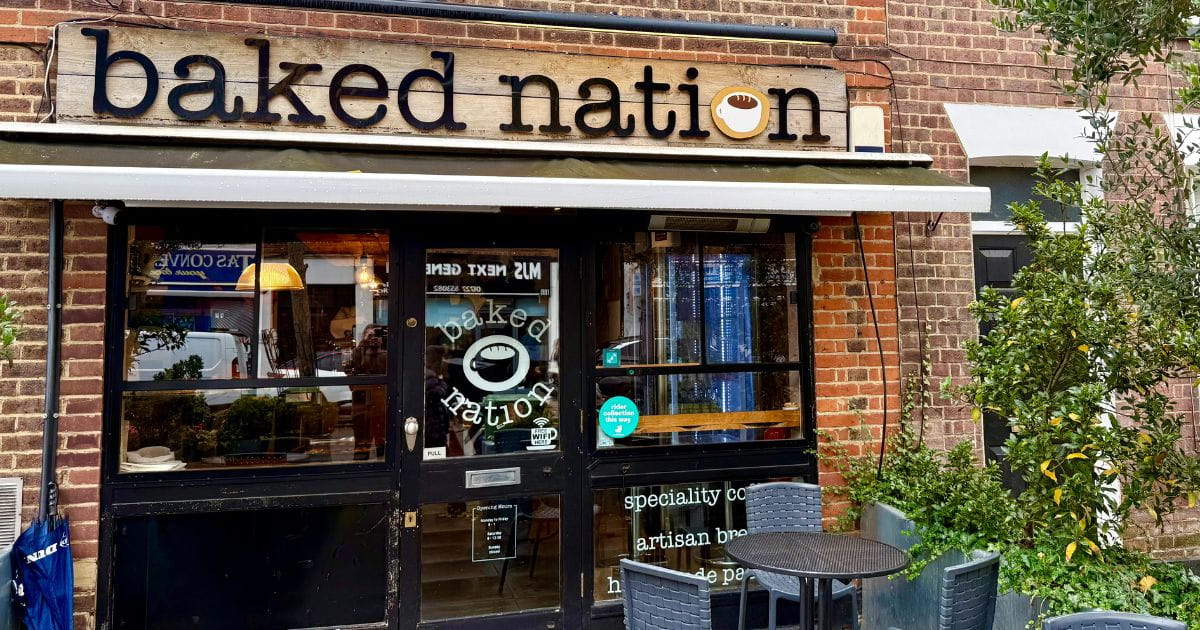
But first things first: caffeine. I make a beeline for Baked Nation. Their flat white is strong and silky, and the last pastel de nata in the case has my name on it; warm, flaky, and gone too soon. Caffeine and a delicious sugar hit to start the day’s adventures. No judgement, please.
The cathedral and falcons
I wander toward the magnificent Cathedral, its spire rising above the rooftops like a medieval watchtower. One of England’s oldest cathedrals, it’s now home to one of the country’s best-known peregrine falcon pairs, the fastest animals on earth. On my way to the Cathedral, I see there’s some real old world charm to this place.
As I scan the spires and ornate carvings, I spot a familiar silhouette: a falcon perched proudly on a turret. Through my binoculars, I see that slate-grey back, barred chest, and fierce yellow-ringed eyes. He surveys the city like royalty. The sun comes out and I crack out the camera. Curious passers-by ask what I’m looking at, and soon a small crowd gathers. There’s something magical about sharing the moment, city folk craning skyward to admire this wild predator.
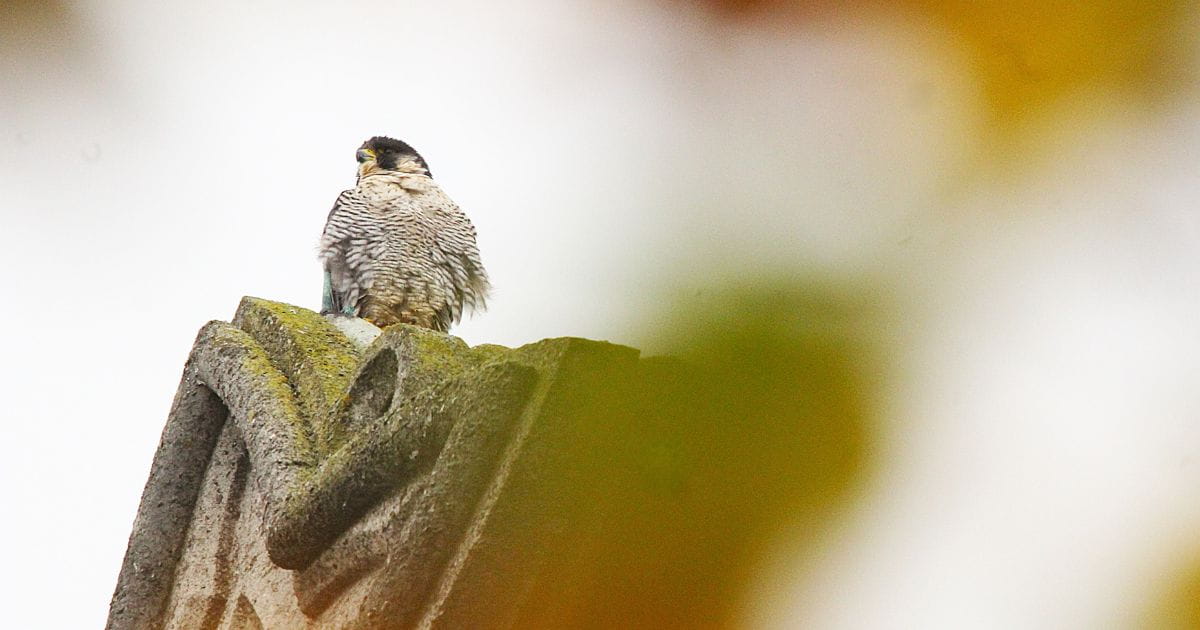
By my best guess, Alban, the adult male falcon (known as a 'tiercel'), surveying his kingdom. These falcons, known locally as Alban and Boudica, are celebrities. After a vandal destroyed their first clutch of eggs earlier this year, they remarkably laid a second and raised three healthy chicks, a real comeback story. With only five breeding pairs in Hertfordshire, their success is a triumph for urban wildlife and local volunteers.
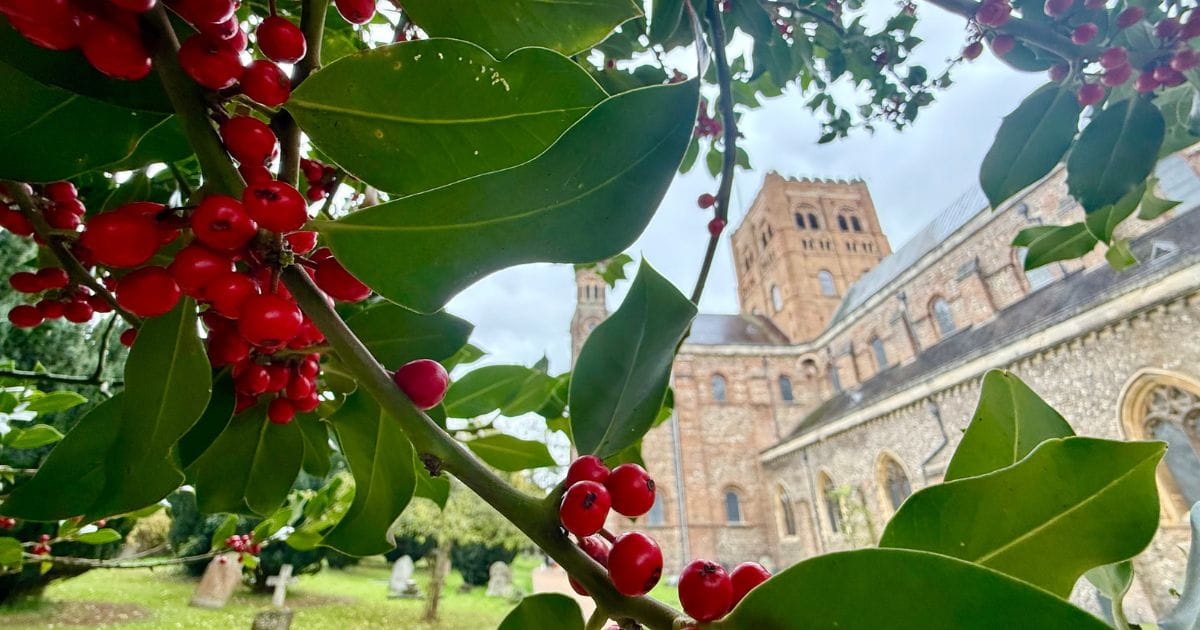
Holly berries adorn the ancient shrubs in the Cathedral grounds, winter approaching. I circle the cathedral hoping to spot the female or youngsters but no luck today. Still, the grounds are full of life: glossy holly and hawthorn berries, bright fungi, and a magnificent beech tree so huge I can’t resist giving it a quick hug. I’m no hippie, but I do love trees. This enormous beech needed a hug to be believed.
Verulamium Park: autumn’s playground
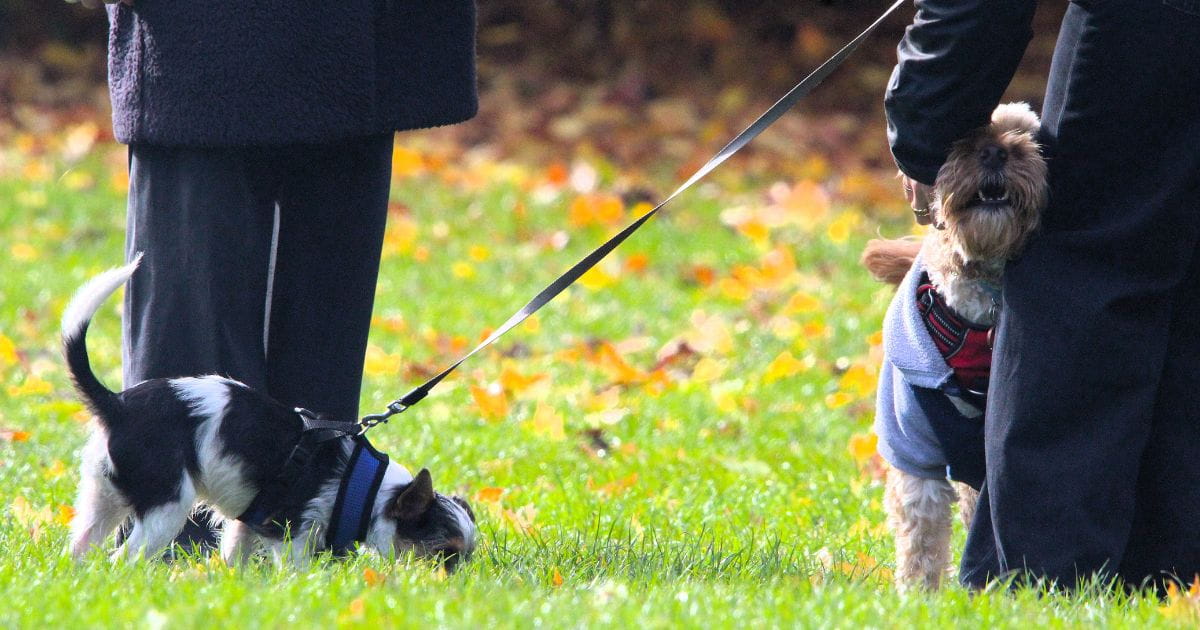
From the cathedral, I follow the hill down into Verulamium Park, named after the Roman city that once stood here. It’s a glorious sweep of green, dotted with lakes, willows, and what seems like half of Hertfordshire’s dogs, each cuter than the last. There are so many gorgeous parks in St Albans for dogs and people to enjoy.
The lake is buzzing with life. Mallards quack and paddle in formation, showing off their freshly polished plumage, the males’ emerald heads gleaming in the autumn sun. If they were rare, we’d rave about their beauty.
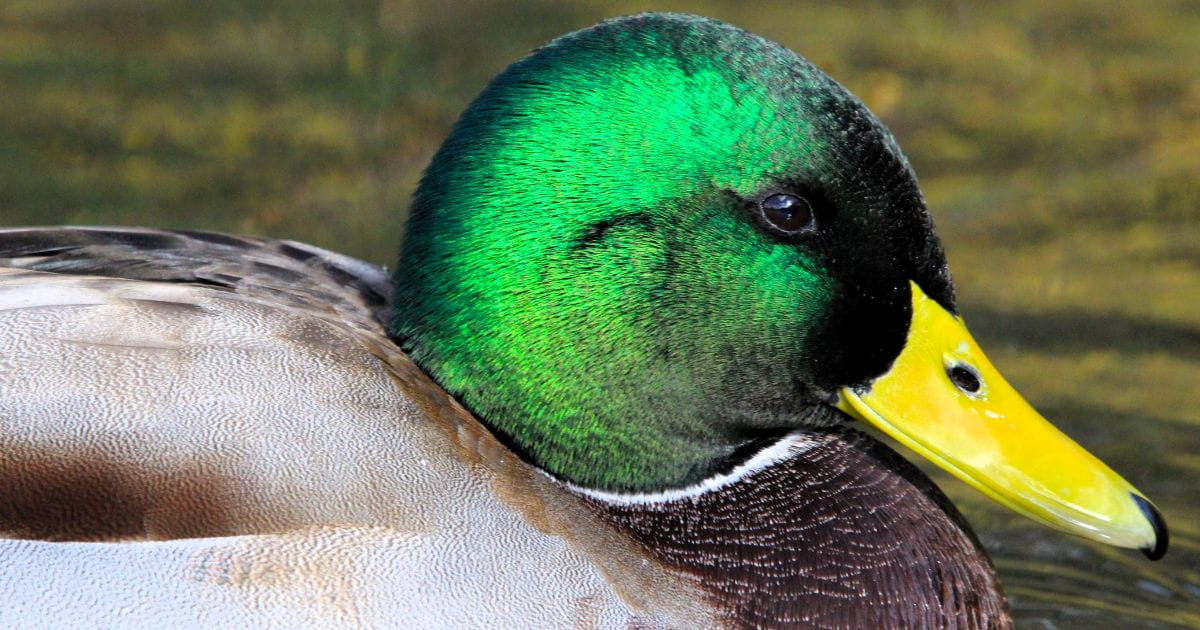
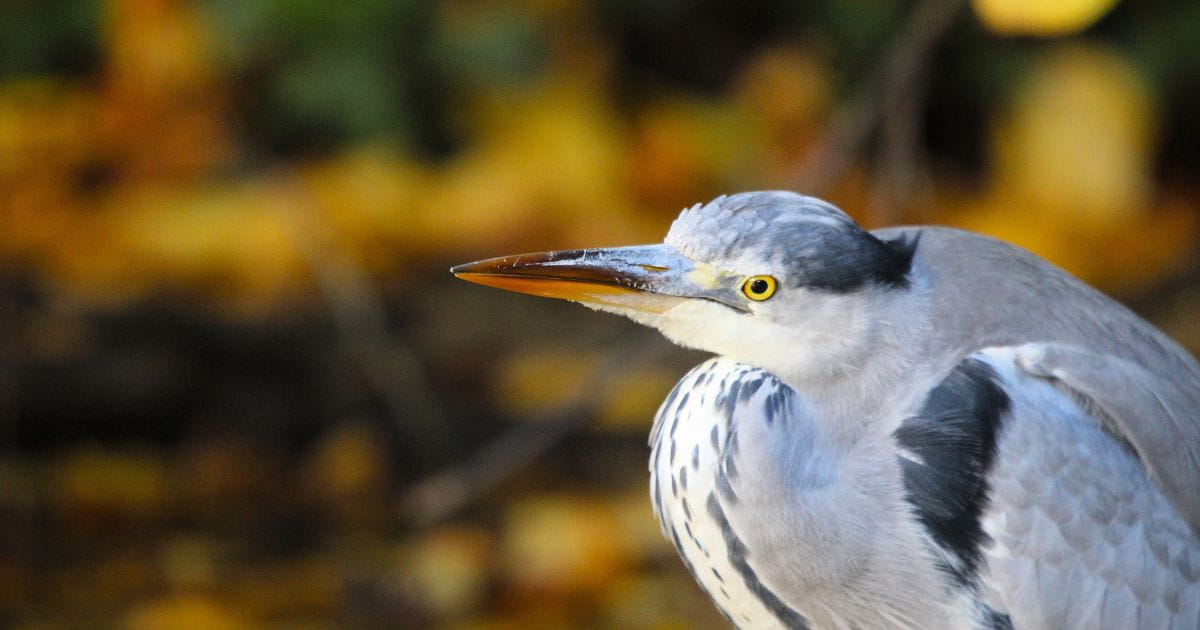
Just look at that iridescent sheen on Mr Mallard. Winter plumage to impress the ladies. Coots squabble noisily, a mute swan glides by, and a cormorant stretches its wings on a partially submerged log like a gothic gargoyle. A grey heron sits motionless, statue-like. It's a young grey heron, yet to get the striking black and white facial plumage of adulthood.
I breathe in the heady mix of damp leaves and wood smoke. Gold, copper, and crimson hues ripple across the lake’s mirrored surface. Two grey wagtails bob along the shore while moorhens dart between reeds.
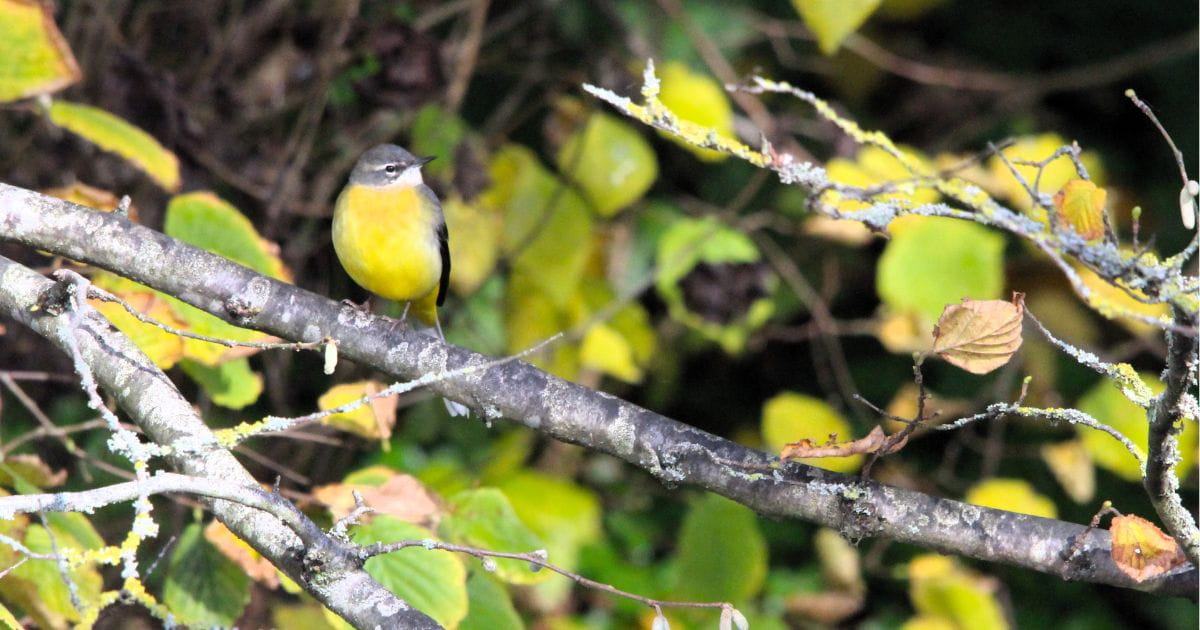
It’s almost an insult to name this gorgeous creature a grey wagtail, don’t you think? Every blue flash makes my heart jump; a false alarm with a shred of blue plastic so far, but I’m hoping for a kingfisher sighting at some point. Before leaving the park, I pass the ancient Roman walls and Verulamium Museum, perfect if you like your nature served with a side of archaeology.
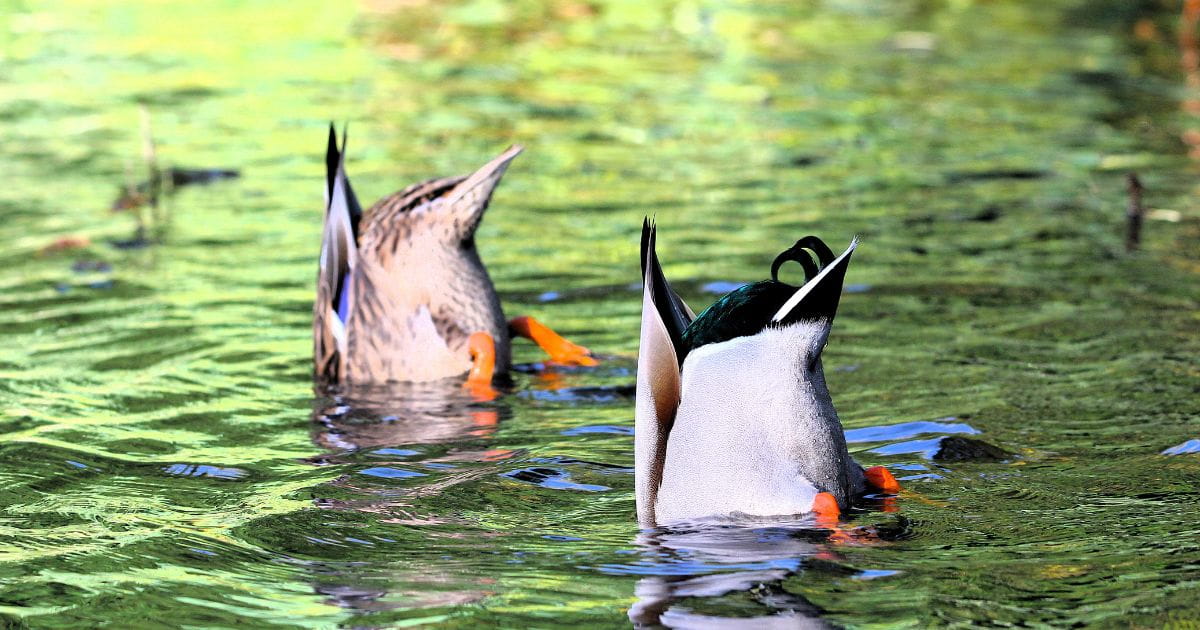
I couldn’t help but hang back to capture a bit of Mallard synchronised swimming.
Lunch at The Waffle House
All that walking has worked up an appetite. I’ve heard glowing reports about The Waffle House, set in a 16th-century watermill. As I cross the bridge, there’s already a queue, always a good sign. I wasn’t expecting such a beautiful setting and building at The Waffle House. Glorious!
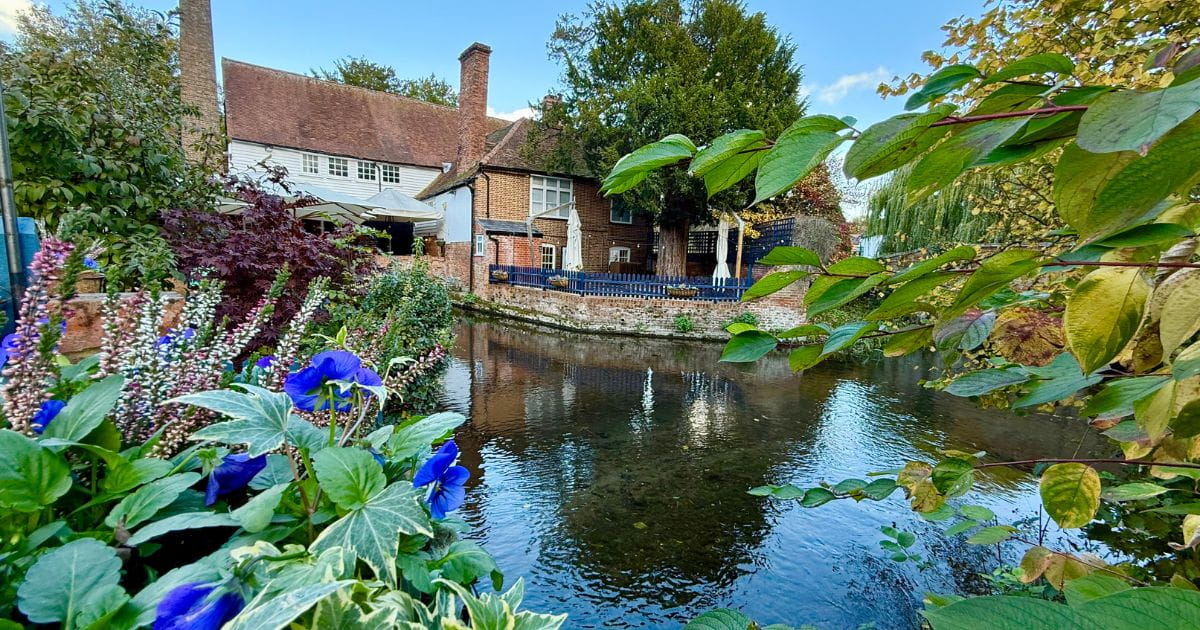
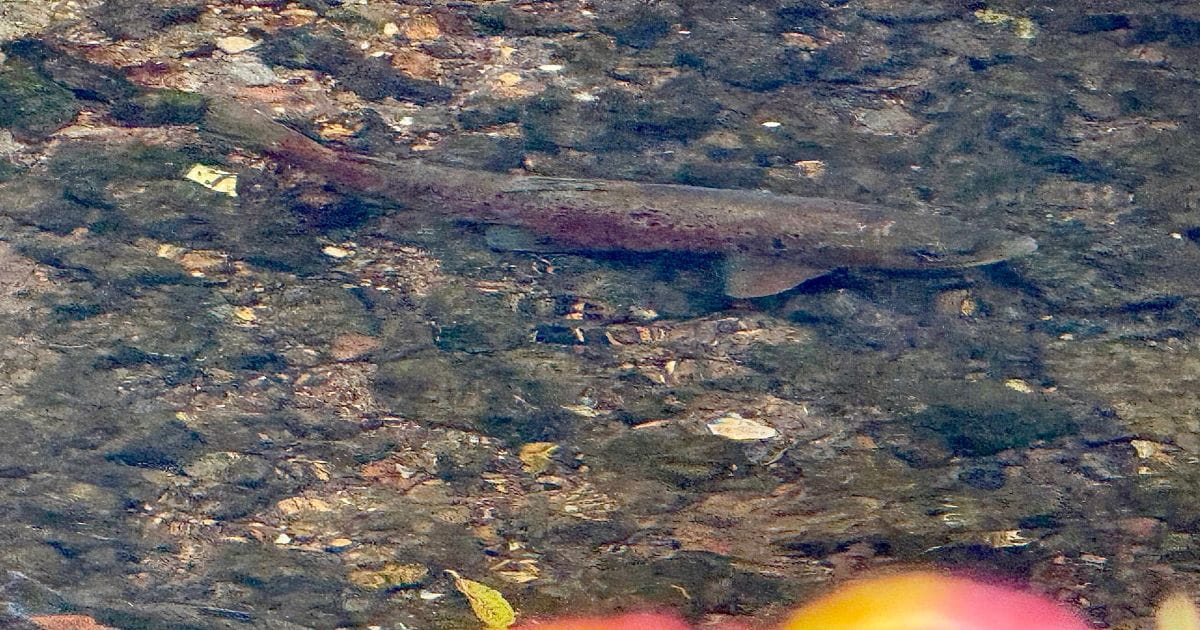
While waiting, I peer into the water and spot brown trout sparring in the current, a reassuring indicator of clean water. I even catch sight of gudgeon and chub drifting by. It’s not every lunch queue that comes with a mini wildlife documentary. Nature nerd alert, but spotting brown trout is rare these days. A healthy river indeed!
If interested, I had the buttermilk chicken waffles with homemade slaw and sriracha mayo. Oh. My. Days. Honestly divine. I eye the dessert menu but I resist. There’s still wildlife to find and daylight’s ticking.
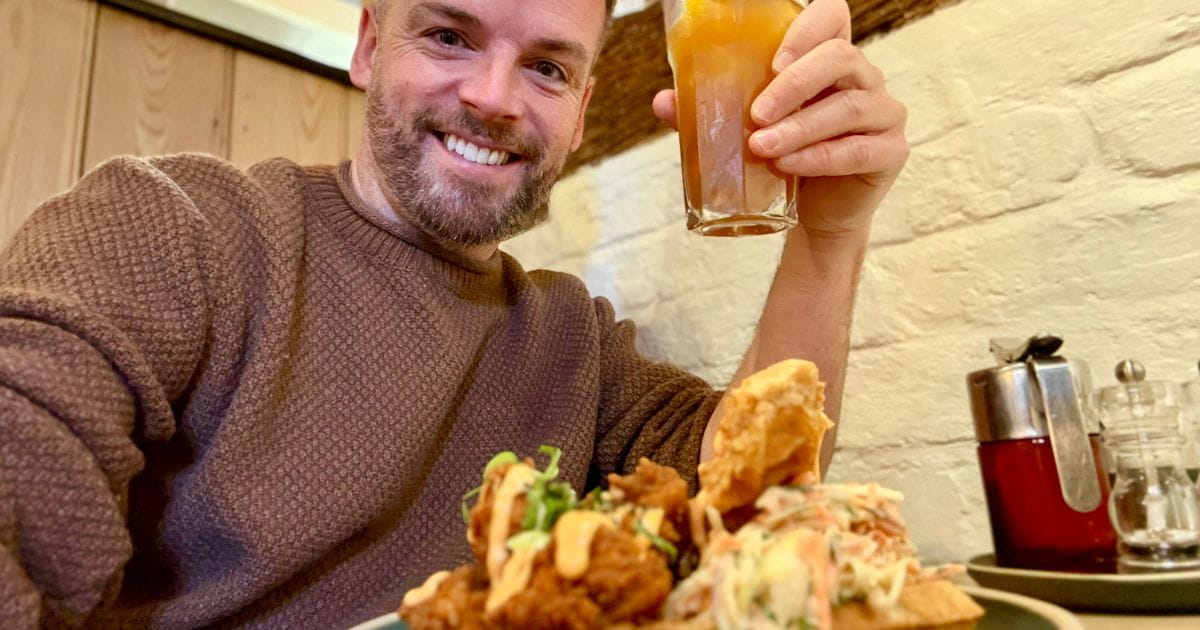
This was an absolute treat, waffletastic! And a peach and lime iced tea to wash it down.
The River Ver trail
Refreshed, I follow the River Ver Trail, winding along this precious chalk stream. Only a few hundred of these globally rare rivers exist, most in southern England. Their mineral-rich, crystal-clear water nurtures an astonishing diversity of life.
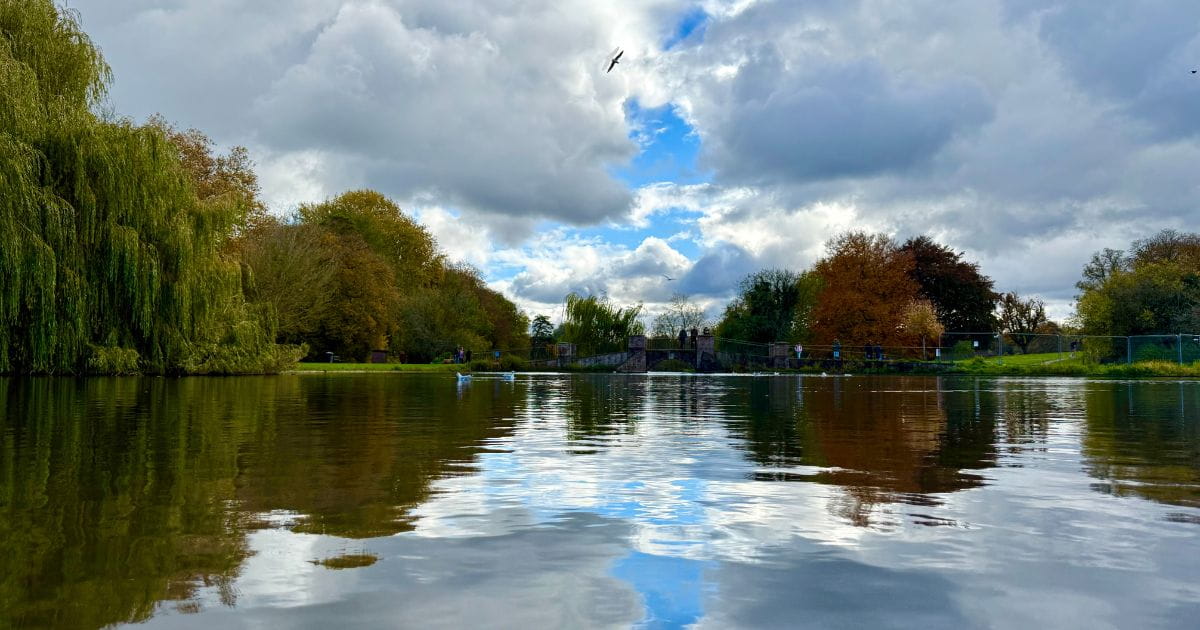
The sounds change as I walk: the chatter of diners replaced by bubbling water and rustling reeds. Wrens call sharply from brambles, long-tailed tits flit by like pom-poms, and a dunnock squeaks its rusty-hinge song from deep in the hedge. The afternoon light glows through fiery beech leaves.
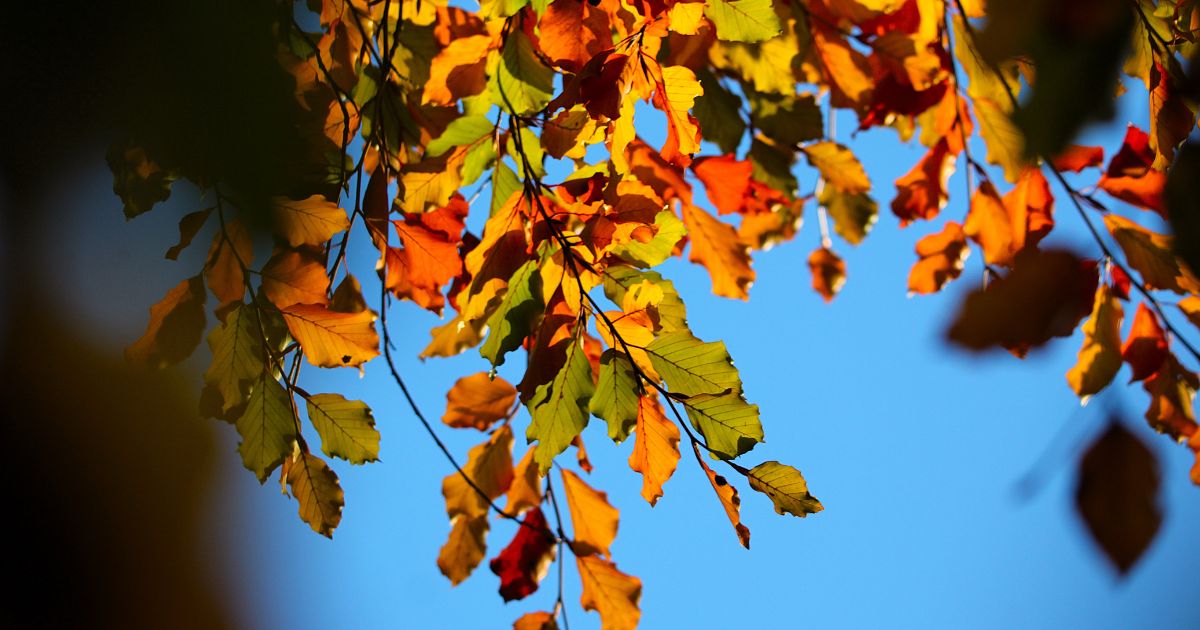
Vivid Autumn beauty against gloriously sunny blue skies. Beech, one of my favourites.
A Hazel leaf catches my eye - a meandering silver trail marking the journey of a tiny leaf-miner insect larva between its paper-thin layers. Even the smallest signs of life fascinate me. Mindfulness in nature, noticing the little things. It’s nature therapy.
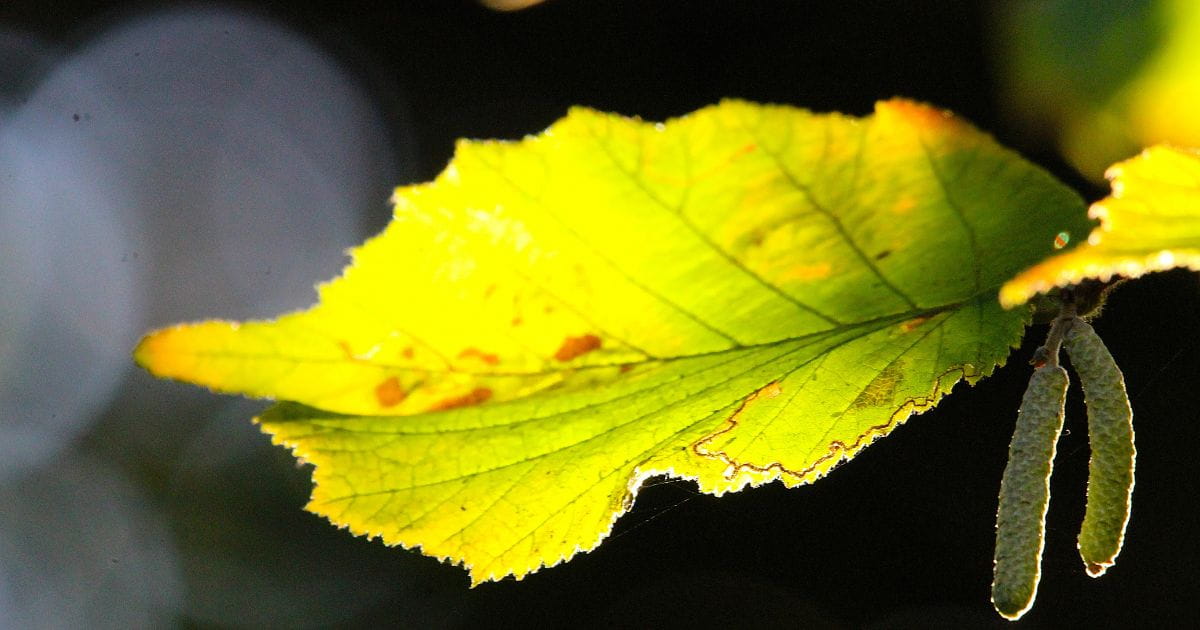
Check the wiggly channel along the front edge of this leaf, a microcosm of life within.
Then, that flash of electric blue I’ve been waiting for. Kingfisher! I freeze, scanning the stream. There it is, perched on a low branch, its orange chest blazing against the dark water. I hold my breath, camera poised. Click! My photo? A perfect shot of the empty branch it was just on. Still, I’m grinning like a fool.
In search of water voles
Now, onto my next target. If you grew up with The Wind in the Willows, you’ll know them as Ratty, that gentle riverside soul. But our real-life water voles haven’t had it easy. Habitat loss and invasive American mink have caused catastrophic declines, making them Britain’s fastest-disappearing mammal. Thankfully, projects along the Ver have reintroduced them, and numbers are creeping up.
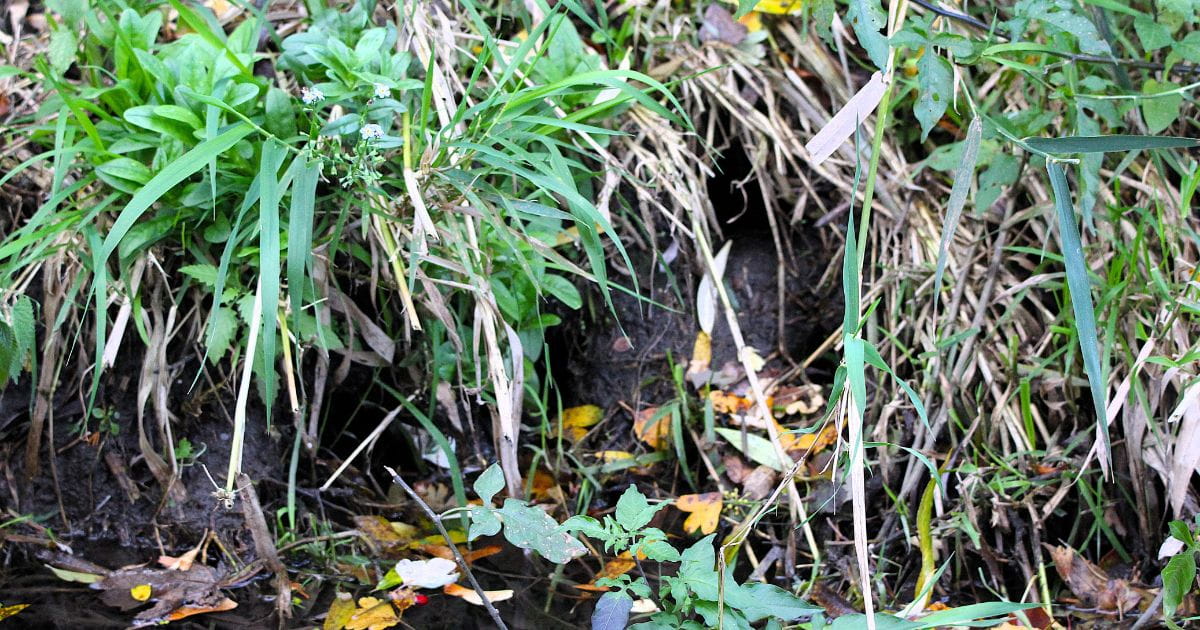
Characteristic diagonally chewed stems of aquatic vegetation; Water Vole feeding signs.
I scan the banks for tell-tale signs: neat round burrow holes just above the waterline, cropped “lawns” of grazed grass, and glossy tic-tac-shaped droppings marking territories. Sure enough, I spot all three plus a latrine raft set out by local volunteers, sprinkled with unmistakable evidence of residents.
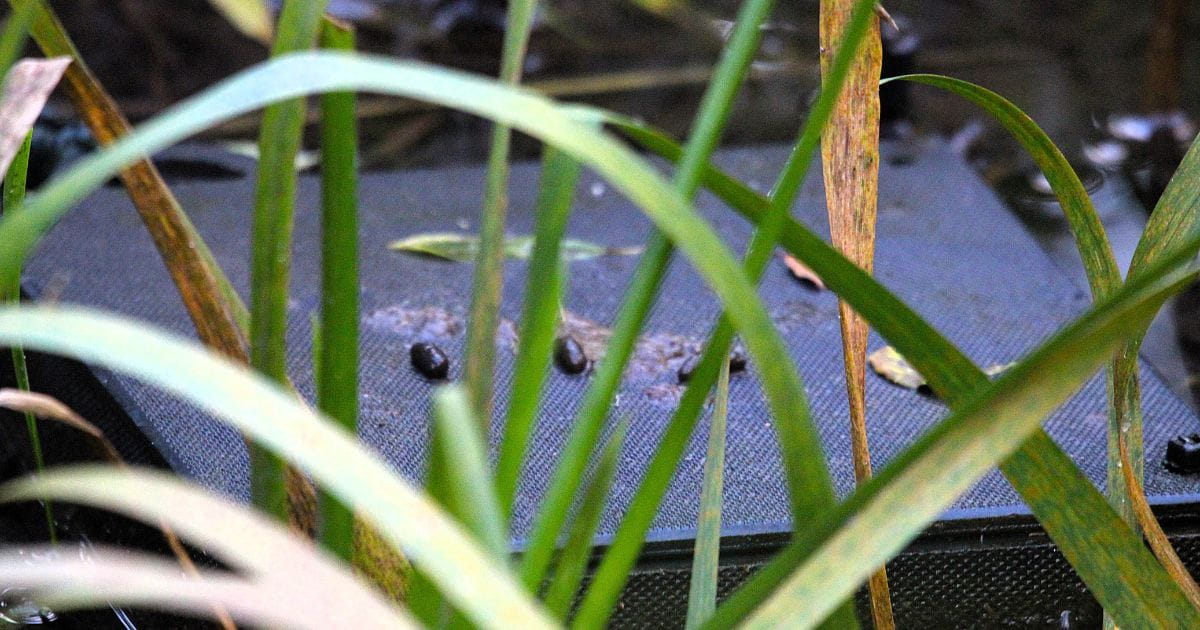
Weird, I know, but these are very exciting droppings.
A friendly dog walker stops to chat and tells me where sightings are most frequent. I hurry along the trail and crouch quietly near a reedy bend. The river is still, save for a few ripples.
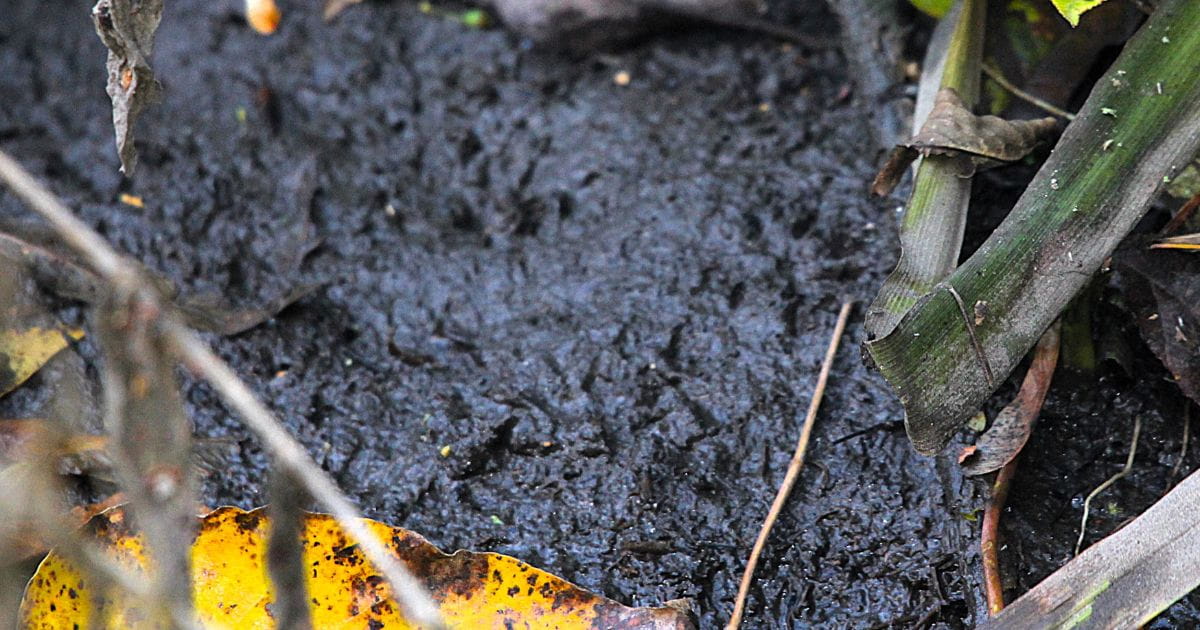
Nearby in the mud, tiny star-shaped footprints confirm it, we’re in vole country!
Then, movement. Scanning, a small brown head glides into view, whiskers twitching, furry and buoyant. It paddles to the far bank and disappears beneath overhanging vegetation. I manage a few photos of it in the gloomy shadows, my heart racing.
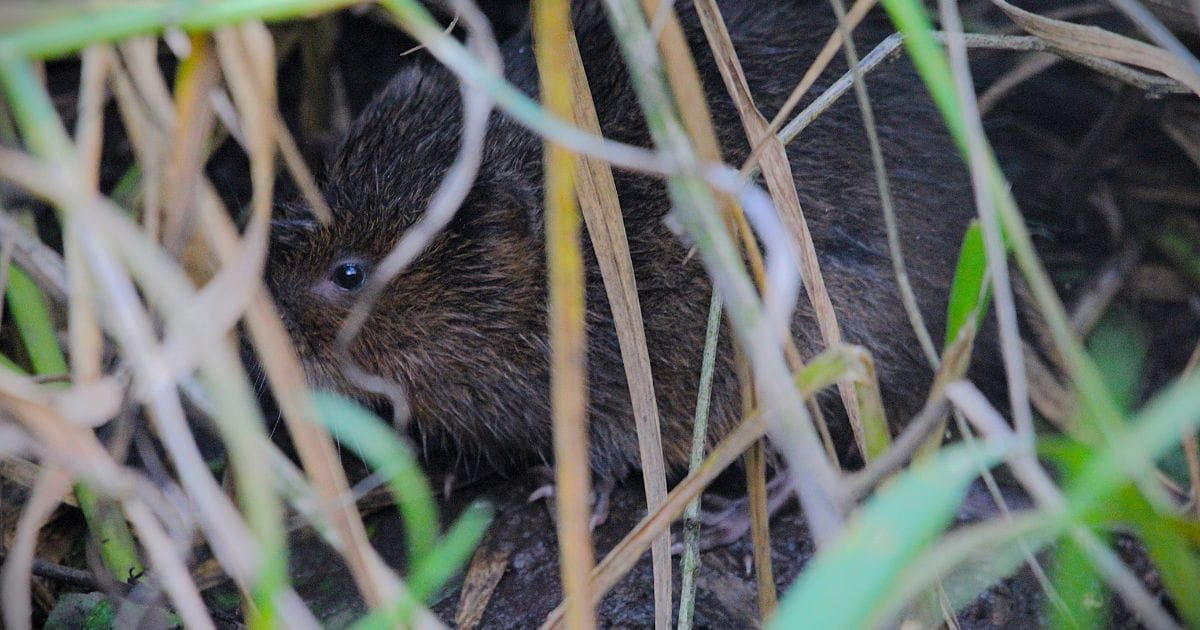
Not going to win Wildlife Photographer of the Year, but it’s a Water Vole, metres away!
Seeing one again after many years feels extraordinary, a living symbol of conservation success. Even finding signs of a rare species is rewarding; seeing the animal itself is pure joy.
Watercress Wildlife Site
With daylight fading, I make a brief detour to the Watercress Wildlife Association Reserve, a tucked-away haven of ponds and woodland. The pools are busy with waterfowl and a dainty little grebe diving. As I pause by a feeder, everything suddenly goes quiet. A sparrowhawk sweeps past, ghostlike, barely metres from my head. Moments later, a blackbird’s chinking alarm rings out.
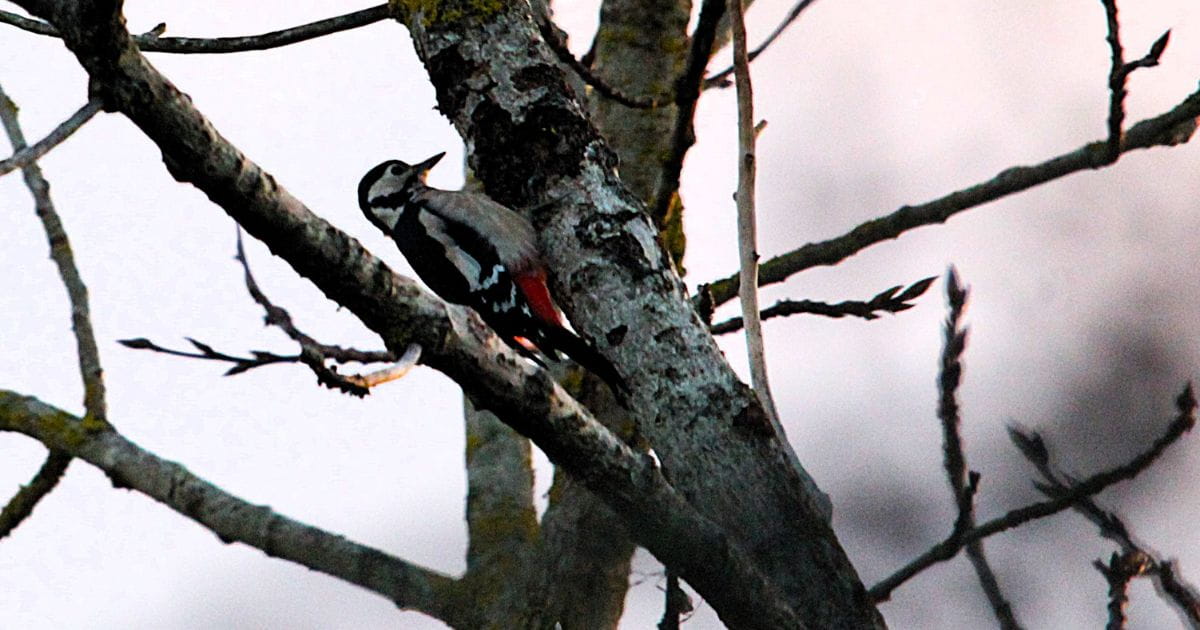
As calm returns, I spot a great spotted woodpecker chipping from a birch and pecking away before it bounces off, scarlet tail feathers flashing in the gloom. Hidden spots like this are the lungs of our towns, small sanctuaries where wildlife and people coexist beautifully.
Retracing steps and raising a pint
As twilight deepens, I wander back through the park, my camera roll now full of falcons, foliage, fish, and one dimly lit vole. There’s just one more stop before home: Ye Olde Fighting Cocks.
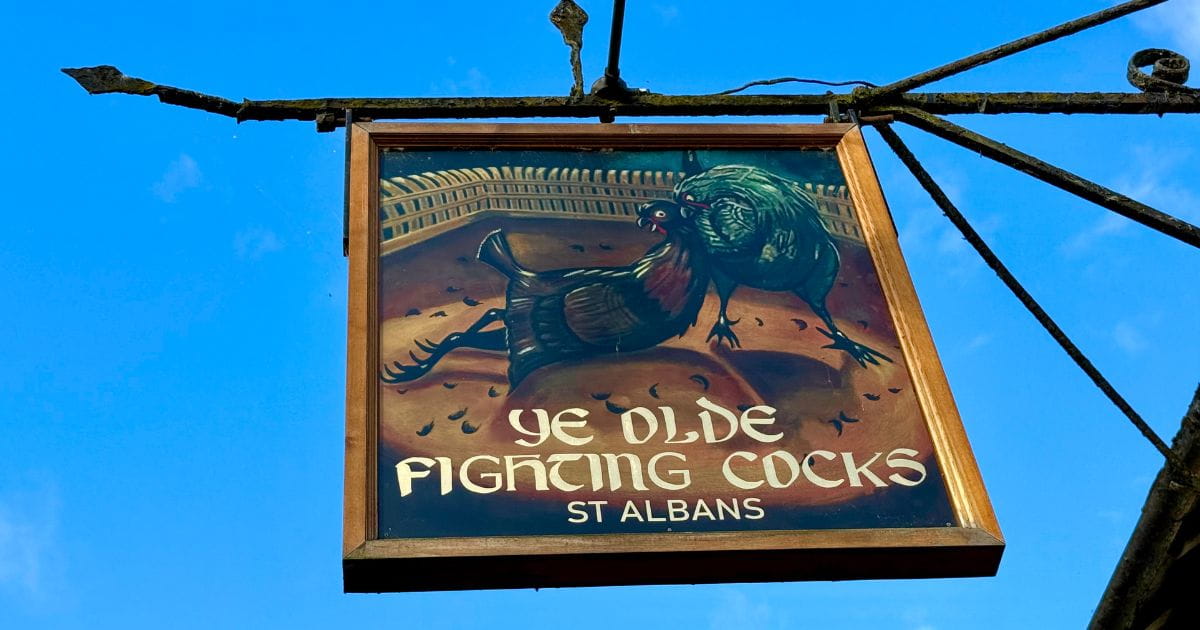
This sign caught my eye earlier in the day, so I banked it for the post-walk pint. Claimed to be one of England’s oldest pubs, its low beams and crackling fire welcome weary wanderers. I order a cider and rest my bones. Outside, the cathedral glows softly against the darkening sky. A Tawny Owl hoots nearby, and the city exhales into evening. Sipping my pint, I scribble a few notes and smile.
Reflections on a wild day out
Back on the Thameslink heading south, the day feels satisfyingly full. I’ve seen a peregrine, a kingfisher, and a water vole, three species that once faced extinction, all thriving here amid history and humanity. St Albans may not be the wilderness, but it proves you don’t have to travel far to feel wild.
As the carriage hums and the city lights draw near, I finish the last of my notes and glance out at the night sky. Somewhere up there, another urban falcon might still be watching.
About the Author
Dr Sean McCormack is a qualified veterinarian, wildlife conservationist, TV presenter and author. He runs the Ealing Wildlife Group, a community conservation group awarded the King’s Award for Voluntary Service. He’s also the project lead on the Ealing Beaver Project, a collaborative Beaver reintroduction project, the first of its kind that is both urban and accessible to the public.
Sean hosts a podcast, Sean’s Wild Life and has just published his first children’s book, ‘Beaver Believers’. He presents on TV and radio, with regular appearances on BBC Springwatch and Autumnwatch, BBC The One Show, ITV This Morning, Times Radio, BBC Radio London and more. To follow his activities, his Instagram is @thatvetsean
